

Client Needs Analysis in an Online Store Project
CEO & IT Architect
Step 1 of 2
Let's talk about what you need
Tell us about your idea or project. Focus on business and leave the technology with us.
Nie lubisz formularzy? Zadzwoń!
62 727 23 90
CEO & IT Architect
Client needs analysis in an online store project is one of the most important stages in preparing a successful eCommerce implementation.
Launching an online store is often associated with choosing a platform, designing the website, or configuring payment methods. In reality, however, the success of the entire project is often determined by a phase that takes place long before the implementation work begins.
A thorough understanding of a company’s business needs, customer expectations, and internal processes makes it possible to create an online store that genuinely supports sales growth and business development. This is why eCommerce pre-implementation analysis plays such a crucial role.
It helps avoid many costly mistakes, provides a more accurate estimate of the project budget, and ensures that the solution can grow alongside the business.
Whether you are planning a new B2C store, a B2B platform, or the migration of an existing solution, it is worth starting with a detailed definition of project goals and requirements. In this article, we explain what an online store brief should include, what functional requirements are, and why proper PrestaShop implementation planning is so important.
Many of the issues that arise during online store implementations are not caused by technology itself, but by insufficient project preparation. Companies often focus on the store’s design or specific features while overlooking business processes, integrations, and user requirements.
A well-executed eCommerce pre-implementation analysis provides a broader view of the project. Its purpose is to understand how the business operates, what goals it wants to achieve, and which limitations or challenges should be considered from the very beginning.
This is the stage where processes related to order management, logistics, inventory, payments, and customer communication are identified. The analysis also helps determine which systems will need to exchange data with the online store and how information should flow between them.
The benefits of a thorough analysis are very tangible. First and foremost, it reduces the risk of unexpected costs, makes project scheduling easier, and helps avoid situations where critical requirements are discovered only during development.
In practice, we often encounter projects where a client initially assumes they need a “standard online store.” However, during workshops, it becomes clear that the business requires advanced ERP integration, support for multiple warehouses, a B2B platform, or preparation for international expansion. Without a proper analysis phase, these requirements are usually identified far too late.
One of the first steps when starting a project is preparing a document that outlines the company’s business requirements. This usually takes the form of a project brief or a set of questions designed to analyze the business and its needs.
A well-prepared online store brief helps organize information and significantly speeds up the later stages of the project. The more details gathered at the beginning, the easier it is to design a solution that meets the organization’s actual requirements.
The first step is to describe the business itself. Important factors include not only the industry but also the sales model, the number of products, the logistics setup, and the company’s growth plans for the coming years.
An online store for a retail brand requires a different approach than a B2B platform for distributors, while a complex eCommerce solution integrated with multiple business systems presents an entirely different set of requirements.
Another essential element is defining the project’s objectives. For some companies, the goal may be to increase online sales, while others may focus on process automation, migrating from an existing platform, or expanding their B2B sales channel. Clearly defined goals make it easier to evaluate the success of the implementation later on.
Understanding the target audience is equally important. Retail customers, distributors, and business partners have very different expectations, which directly influences how the online store should be designed.
Technological requirements should not be overlooked. The brief should include information about existing ERP, PIM, and CRM systems, marketplace platforms, and marketing tools. This makes it possible to plan integrations in advance and avoid implementation issues later.
Finally, the brief should outline the expected functionality of the store. These requirements form the basis of the scope that will be delivered by the implementation team.
A good online store brief does not need to be perfect from the very beginning. Its primary purpose is to serve as a starting point for discussions, workshops, and further analysis.
One of the most important outcomes of the analysis phase is defining the functionality that the online store should provide. These functional requirements directly affect the project scope, budget, and implementation timeline.
Many companies focus exclusively on customer-facing features. However, the processes running behind the scenes are equally important, as they ensure efficient order processing and business automation.
Typical functional requirements include:
Payments and logistics play a particularly important role. Customers expect multiple payment options, fast delivery, and shipment tracking capabilities. Automated label generation and integrations with courier services are increasingly considered standard features.
From a marketing perspective, businesses often require discount code management, automated email campaigns, product recommendations, and abandoned cart recovery functionality.
Integrations are equally critical. In modern eCommerce, an online store rarely operates as a standalone system. Instead, it typically exchanges data with ERP platforms, warehouse management systems, CRM solutions, marketplaces, and marketing automation tools.
The more detailed the functional requirements are, the easier it becomes to plan the project, select the right solutions, and avoid costly changes during development. This is especially important in larger implementations where the online store is only one part of a broader IT ecosystem.
Effective PrestaShop implementation planning begins long before the platform itself is installed. The key is to prepare the entire project in a way that minimizes the risk of issues arising later in the process.
The first step is always to conduct a business analysis and prepare project documentation. At this stage, requirements are gathered, integrations are defined, and the scope of work is established.
The next stage is designing the solution architecture. This includes both the online store and all the systems that will interact with it. In more complex projects, this is one of the most critical phases of the entire implementation.
Once the analysis is complete, work begins on UX and user interface design. This includes creating wireframes, mapping customer journeys, and preparing the visual design of the store.
The next step is preparing the technical environment, selecting the hosting infrastructure, and configuring testing environments. Only then does the actual development work begin.
The implementation of features and integrations should be carried out in stages, allowing individual components to be tested continuously throughout the project.
Before launching the store, functional, performance, and integration testing are essential. It is important to verify not only the purchasing process itself but also data synchronization, payment processing, and communication with external systems.
This approach makes PrestaShop implementation planning a predictable process and significantly reduces the risk of issues occurring after the store goes live.
Even the best technology cannot save a poorly planned project. That is why eCommerce pre-implementation analysis should cover not only the store’s design but also business processes, integrations, limitations, and the company’s growth plans.
One of the most common mistakes is beginning the project by choosing a template or discussing the visual appearance of the store. While design is important, it is not what determines the success of the entire solution.
Another common issue is a brief that lacks sufficient detail. Without information about business processes or existing systems, many important requirements only come to light during the implementation phase.
Integrations are also frequently underestimated. In theory, connecting an online store to an ERP system or a marketplace may seem straightforward. In practice, it requires careful planning of data flows and consideration of numerous business-specific scenarios.
Another mistake is designing the store solely around the company’s current requirements. A well-prepared eCommerce pre-implementation analysis should also take future growth into account, including new sales channels and international expansion plans.
It is also important to remember that the analysis should not be conducted exclusively with the business owner. Valuable insights often come from people responsible for logistics, customer service, marketing, and accounting. Their involvement helps create a much more complete understanding of the organization.
The best approach is to conduct discussions and workshops before the implementation begins. This makes it possible to verify whether business, technical, and operational assumptions are aligned and whether the project has a solid foundation for future growth.
A successful online store starts with understanding the business, not with choosing a technology platform. A well-prepared online store brief, a detailed eCommerce pre-implementation analysis, and clearly defined functional requirements help reduce risk and significantly increase the chances of project success.
Regardless of the size of the project, it is worth investing time in proper preparation before implementation begins. Effective PrestaShop implementation planning not only makes it easier to launch the store but also creates a solid foundation for long-term eCommerce growth.
If you are planning a new implementation or migrating an existing online store, a thorough client needs analysis will help organize requirements, identify potential risks, and plan the entire project more effectively—from the initial brief to the successful launch of your online sales channel.

CEO & IT Architect
Piotr Szeliga has over 15 years of experience in the e-commerce sector. He’s passionate about technology and new solutions. For years, he has been helping companies to become technological leaders in their industry.
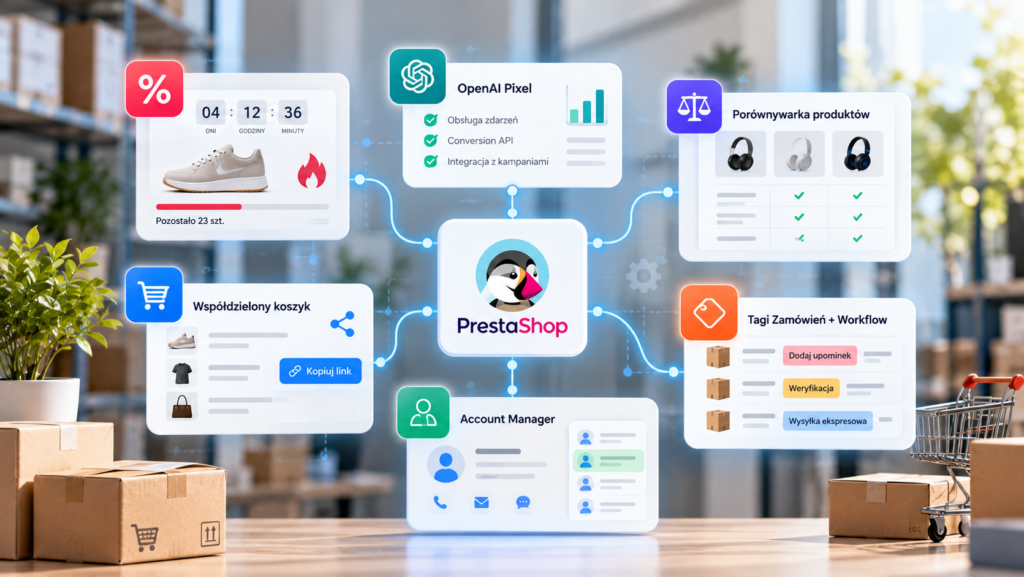
Custom PrestaShop modules by Tebim – solutions that extend your store's capabilities

How to Choose an eCommerce Platform for a Mid-Sized or Large Business: PrestaShop Compared

PrestaShop ERP and WMS Integrations – How to Automate Sales in a Large Online Store?

PrestaShop implementation pricing – why do agency quotes differ?

Logging in as a Customer in PrestaShop – What Is Impersonation and When Is It Worth Implementing?

WhatsApp in eCommerce – Promotions, Order Status Updates, and Customer Communication

How much does it cost to maintain and develop a PrestaShop store? Hidden costs after launch

n8n Automations in eCommerce – How to Improve Your Store?

Advanced eCommerce analytics – which data really shows your store’s profitability?

Building a B2B Store on PrestaShop – Key Features for Wholesale Sales

Custom eCommerce store development – when is it worth investing in a dedicated PrestaShop solution?

How to minimize eCommerce store downtime during a platform migration?

How Much Does It Cost to Switch eCommerce Platforms? A Cost Guide for Online Stores

Where to find inspiration for your online store’s visual design?

How to migrate an eCommerce store: step-by-step process, checklist, and best practices

How to prepare for an eCommerce platform migration

Client Needs Analysis in an Online Store Project

What is remarketing, and how do you implement it in an online store?

Store Migration: Payments, Integrations, and Logistics
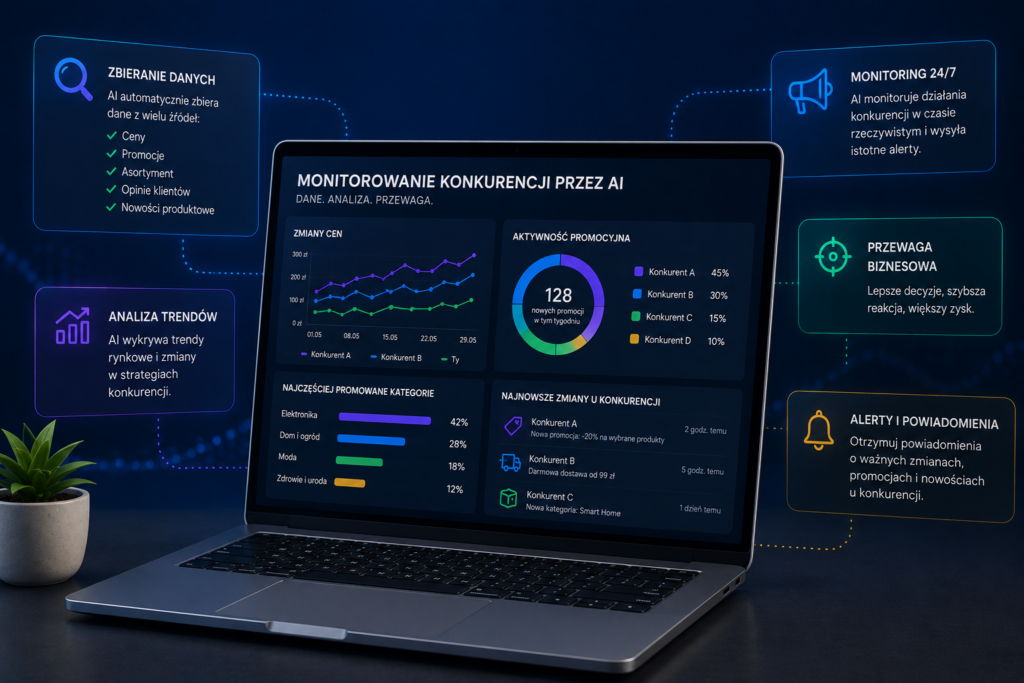
AI-Powered Competitor Monitoring — How Online Stores Analyze Prices, Promotions, and Market Trends
Custom eCommerce store development – when is it worth investing in a dedicated PrestaShop solution?

How to Choose a PrestaShop Agency That Actually Helps Your Store Grow

B2B vs B2C in eCommerce: Key Differences and When to Choose Multistore

Why work with a PrestaShop agency when building an online store?

The right implementation of a Prestashop store - 4 steps

The cost of implementing a store on Prestashop - the prices of certain implementations