

Custom eCommerce store development – when is it worth investing in a dedicated PrestaShop solution?
CEO & IT Architect
Step 1 of 2
Let's talk about what you need
Tell us about your idea or project. Focus on business and leave the technology with us.
Nie lubisz formularzy? Zadzwoń!
62 727 23 90
CEO & IT Architect
Custom eCommerce store development makes sense when the technology needs to adapt to the way a company operates, rather than forcing the company to adapt to the limitations of a ready-made platform. This is particularly relevant for businesses with a non-standard sales model, an extensive product catalog, individual pricing rules, multiple integrations, or plans for further scaling.
However, a dedicated store does not necessarily mean building the entire platform from scratch. PrestaShop can provide a proven technological foundation on which a solution tailored to a specific business is developed. Elements such as the store design, purchasing process, features, integrations, and the flow of data between systems can all be designed individually.
As a result, the company benefits from a mature eCommerce platform without having to adapt its processes to the limitations of an off-the-shelf solution.
Website and eCommerce store development should not begin with selecting a template, colors, or a list of modules. The first step should be understanding how the business operates.
Among other things, it is necessary to determine:
Only on this basis can a solution be designed that genuinely supports sales and the team’s day-to-day work.
One of the key benefits of a custom store is the ability to tailor the customer journey to a specific product range and customer behavior.
Purchasing a simple consumer product should look different from buying an industrial machine, a made-to-measure piece of furniture, an installation kit, or a product available in hundreds of configurations.
A dedicated store can include:
Customers receive a purchasing process tailored to the product, making it easier to find the right solution and reducing the need to contact customer service.
A store should be prepared not only for current needs, but also for future growth.
In the future, a company may want to:
When these plans are considered during the architecture design stage, future development can be much simpler and less expensive.
A dedicated eCommerce store can also reduce the number of tasks performed manually.
Employees do not have to re-enter orders into the ERP system, update prices in several places, manually check inventory levels, or transfer data between spreadsheets.
The store can automatically:
Automation not only saves time, but also reduces mistakes and allows the team to focus on tasks that genuinely require their expertise.
Clients often wonder whether they should choose a ready-made platform or invest in custom eCommerce store development. Because we provide comprehensive support covering analysis, design, implementation, and ongoing eCommerce store development, we have prepared a comparison showing when a simpler solution is sufficient and when a dedicated implementation tailored to the company’s processes and growth plans is the better choice.
| Area | Ready-made solution | Dedicated PrestaShop store |
|---|---|---|
| Launch time | Usually shorter. | Longer due to analysis, design, and testing. |
| Initial cost | Usually lower. | Higher because the solution is developed for a specific business. |
| Store design | Based on a ready-made template. | Designed individually. |
| Purchasing process | Adapted to the platform’s capabilities. | Tailored to the products and customers. |
| Integrations | Limited to ready-made connections. | Can be developed for specific systems. |
| Feature development | Dependent on available modules. | Dedicated mechanisms can be developed. |
| Scaling | May require changing the plan or platform. | Can be considered in the architecture from the beginning. |
| Control over the solution | Limited by the provider. | Greater control over the code, features, and development. |
| Maintenance | Partly handled by the platform operator. | Requires technical support and regular development. |
A ready-made solution can be a good choice for a company that:
A dedicated store will be more suitable when a company needs flexibility, has complex processes, or plans rapid sales growth.
PrestaShop makes it possible to develop a store using modules, a custom theme, integrations, and individual business logic.
A dedicated PrestaShop eCommerce store can therefore support features that standard solutions do not offer.
A configurator can guide the customer through each stage of selecting a product.
For example, the user may choose:
The system checks whether the selected components are compatible, calculates the price, and sends the complete configuration for fulfillment.
This type of solution can significantly reduce incorrect orders and inquiries sent to the sales team.
In B2B sales, a standard online store is often not enough.
Each customer may have different:
A dedicated B2B platform can display this information automatically after the customer logs in.
It can also support quick ordering by product code, list imports from a file, requests for quotation, order approval by a manager, and access to commercial documents.
The store can be connected to:
However, the most important issue is not simply connecting the systems, but planning the data flow correctly.
It is necessary to determine:
A well-designed integration brings order to business processes. A poorly prepared one, on the other hand, can lead to price discrepancies, incorrect inventory levels, or lost orders.
PrestaShop makes it possible to manage multiple stores within a single environment.
A company can operate separate stores for:
Individual stores can have their own domains, prices, currencies, languages, and designs while still sharing selected data.
This solution can support international expansion, but it requires careful planning of the architecture, taxes, payments, delivery methods, and customer service processes.
In some industries, a standard description, image, and list of specifications are not enough.
A dedicated store can include:
These features help customers make decisions and can reduce the risk of purchasing the wrong product.
Read also: PrestaShop store – ready-made or custom theme?
Not every company needs a custom-built store. There is also no single number of products, orders, or level of revenue at which this type of implementation automatically becomes necessary.
The complexity of the business is much more important.
When technical problems in the store have a direct impact on company revenue, the platform should be treated as an important part of the IT infrastructure.
The business may then need:
In this situation, using randomly selected modules and developing the store without a coherent architecture can become risky.
Dedicated solutions are particularly valuable for manufacturers and distributors whose products are available in many configurations.
This applies, among others, to the following industries:
Customers can configure a product themselves instead of contacting a sales representative every time.
Companies involved in wholesale sales often use complex price lists, discounts, and commercial terms.
Without a dedicated platform, a large part of the process is handled through emails, files, and phone calls.
A B2B store can move a significant portion of these activities to a self-service customer portal, reducing the time required to place and process orders.
When the store is connected to ERP, PIM, WMS, CRM, and marketplaces, the choice of solution should not be based solely on the appearance of the admin panel or the subscription price.
The architecture of the entire ecosystem becomes the key consideration.
It is necessary to plan how data will flow between systems, how errors will be handled, and what will happen if one of the systems is temporarily unavailable.
International sales require more than simply translating the store.
Different markets may have different:
Taking these differences into account from the beginning helps avoid an expensive platform rebuild in the future.
When employees copy data between systems every day, update statuses, correct prices, or investigate inventory discrepancies, it is worth analyzing the potential for automation.
A dedicated store can reduce operating costs, shorten order processing times, and decrease the number of errors.
The cost of creating a dedicated store depends primarily on the scope of the project.
Factors that influence it include:
A typical implementation of a medium-sized or large PrestaShop store requires at least approximately 150 hours of work and a budget starting at around PLN 40,000 net. More complex projects may require a significantly greater investment.
| Project element | Example scope |
|---|---|
| Pre-implementation analysis | Processes, requirements, integrations, data, and architecture. |
| UX and visual design | Workshops, wireframes, prototypes, and mobile views. |
| Development | Front-end, configuration, modules, and features. |
| Integrations | ERP, PIM, WMS, CRM, and marketplaces. |
| Data migration | Products, customers, orders, content, and URLs. |
| Testing | Functional, integration, performance, and security testing. |
| Launch | Final migration, domain switch, and monitoring. |
| Maintenance | Updates, optimization, fixes, and ongoing development. |
It is also worth remembering that a less expensive store does not always mean lower costs in the long term.
If the limitations of a ready-made platform mean that:
a seemingly inexpensive solution can generate high operating costs.
The return on investment in a custom store can come from several sources:
For example, even a small increase in conversion in a store visited by tens or hundreds of thousands of users each month can generate more value than the initial cost of rebuilding the platform.
Read also: How to choose the right PrestaShop agency
The choice of provider should not be based solely on price or an attractive sales presentation.
A dedicated store will be developed over many years, so it is worth checking whether the agency can not only prepare the visual design, but also plan the architecture, integrations, and long-term maintenance process.
A provider’s portfolio should showcase more than visually attractive homepages. It should also demonstrate the scale and complexity of completed projects. When evaluating custom eCommerce store development services, it is worth checking the size of the implementations delivered by the company, the systems they were integrated with, and the dedicated features developed for clients.
Experience in delivering B2B platforms, multistore projects, and migrations from other eCommerce systems is also important. A strong portfolio should show not only the store at the moment of launch, but also how it was maintained and developed afterward.
The most valuable case studies explain the client’s original problem, the solution that was implemented, and the business results achieved.
Launching the store does not mark the end of the project. With custom eCommerce store development, ongoing maintenance and systematic platform development are just as important as the implementation itself.
After launch, the store should therefore be monitored regularly, user behavior should be analyzed, modules should be updated, and security should be maintained. At the same time, performance should be continuously improved and new features developed in line with changing business needs.
It is therefore advisable to choose a partner that can provide a permanent technical team and a dedicated project manager. The team should not only monitor errors and respond to failures, but also carry out necessary security updates. In addition, expertise in performance optimization, ongoing UX development, and planning further stages of store expansion is important.
Long-term support makes it possible not only to maintain platform stability, but also to gradually improve sales effectiveness. As a result, the store responds more effectively to user needs and remains aligned with the company’s continued growth.
Custom eCommerce store development is a good solution for companies whose sales processes go beyond the capabilities of simple platforms and ready-made templates. Above all, it makes it possible to adapt the store to the way the business actually operates instead of forcing business processes to fit the limitations of an off-the-shelf solution.
The key benefits of a custom eCommerce store include the ability to tailor the purchasing process, integrate the store with company systems, automate work, and prepare the platform for further scaling. As a result, the store can not only respond more effectively to customer needs, but also improve the team’s day-to-day work.
A dedicated PrestaShop eCommerce store does not necessarily mean building the entire system from scratch. PrestaShop provides a proven technological foundation, while the elements that matter to the specific business are designed individually. As a result, the company gains a flexible solution without having to develop a complete platform from the ground up.
The investment is particularly justified when the store is an important sales channel, supports non-standard products, B2B customers, multiple markets, or a complex integration ecosystem. In these cases, ready-made solutions may eventually limit growth, whereas a dedicated platform can prepare the company more effectively for further scaling.
The most important point, however, is that dedicated features should not be developed solely because they are technically possible. Each one should solve a specific problem, simplify a process, or deliver measurable value to customers and the company. This ensures that the store becomes not only a sales tool, but also a genuine asset supporting future business growth.

CEO & IT Architect
Piotr Szeliga has over 15 years of experience in the e-commerce sector. He’s passionate about technology and new solutions. For years, he has been helping companies to become technological leaders in their industry.
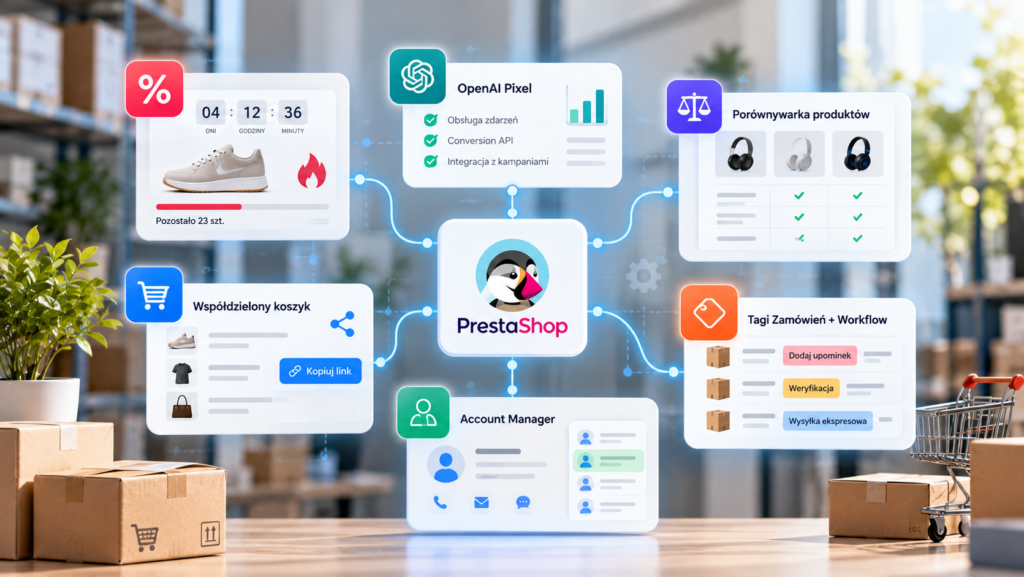
Custom PrestaShop modules by Tebim – solutions that extend your store's capabilities
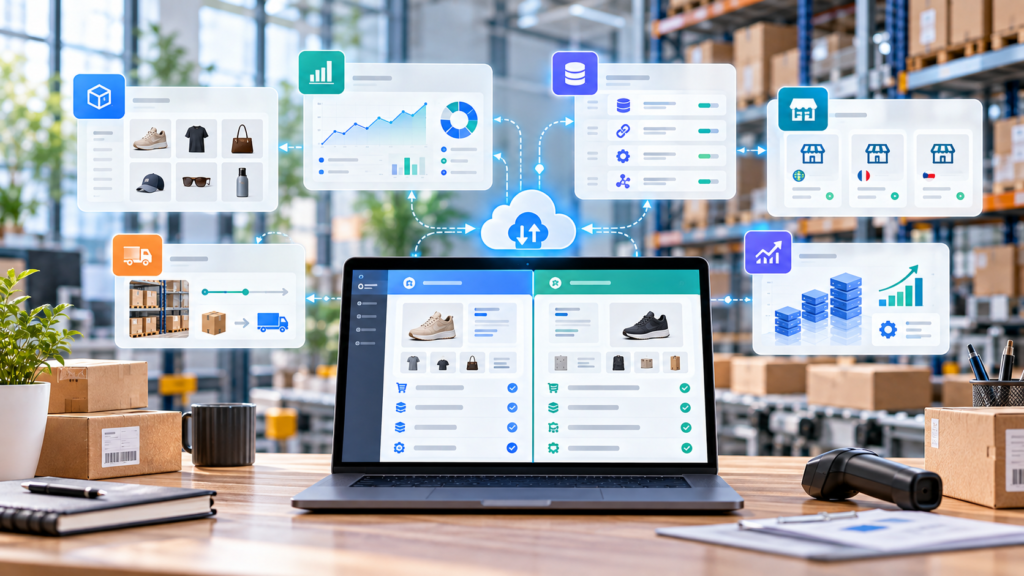
How to Choose an eCommerce Platform for a Mid-Sized or Large Business: PrestaShop Compared
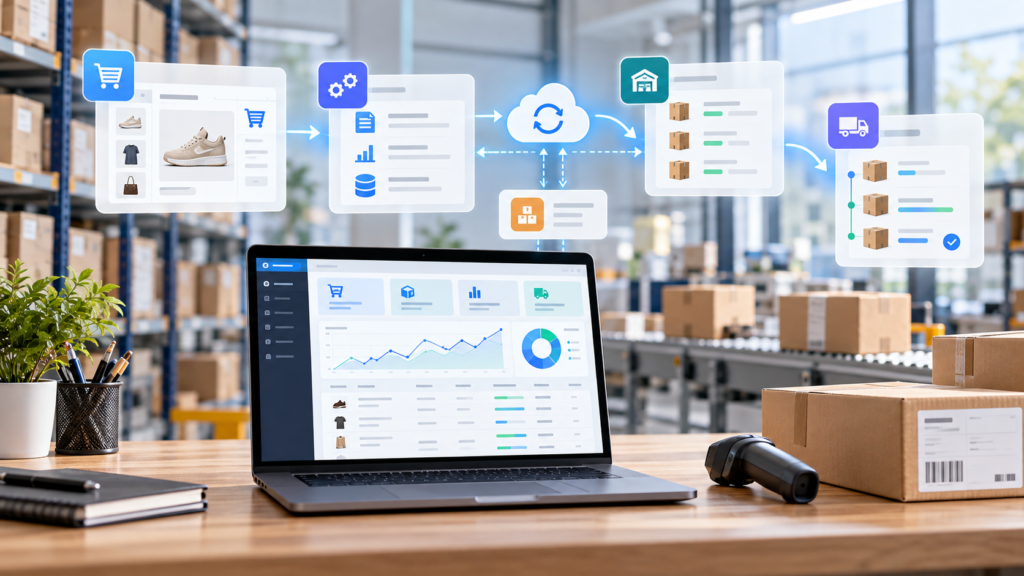
PrestaShop ERP and WMS Integrations – How to Automate Sales in a Large Online Store?
PrestaShop implementation pricing – why do agency quotes differ?

Logging in as a Customer in PrestaShop – What Is Impersonation and When Is It Worth Implementing?

WhatsApp in eCommerce – Promotions, Order Status Updates, and Customer Communication

How much does it cost to maintain and develop a PrestaShop store? Hidden costs after launch

n8n Automations in eCommerce – How to Improve Your Store?

Advanced eCommerce analytics – which data really shows your store’s profitability?

Building a B2B Store on PrestaShop – Key Features for Wholesale Sales

Custom eCommerce store development – when is it worth investing in a dedicated PrestaShop solution?

How to minimize eCommerce store downtime during a platform migration?

How Much Does It Cost to Switch eCommerce Platforms? A Cost Guide for Online Stores

Where to find inspiration for your online store’s visual design?

How to migrate an eCommerce store: step-by-step process, checklist, and best practices

How to prepare for an eCommerce platform migration

Client Needs Analysis in an Online Store Project

What is remarketing, and how do you implement it in an online store?

Store Migration: Payments, Integrations, and Logistics
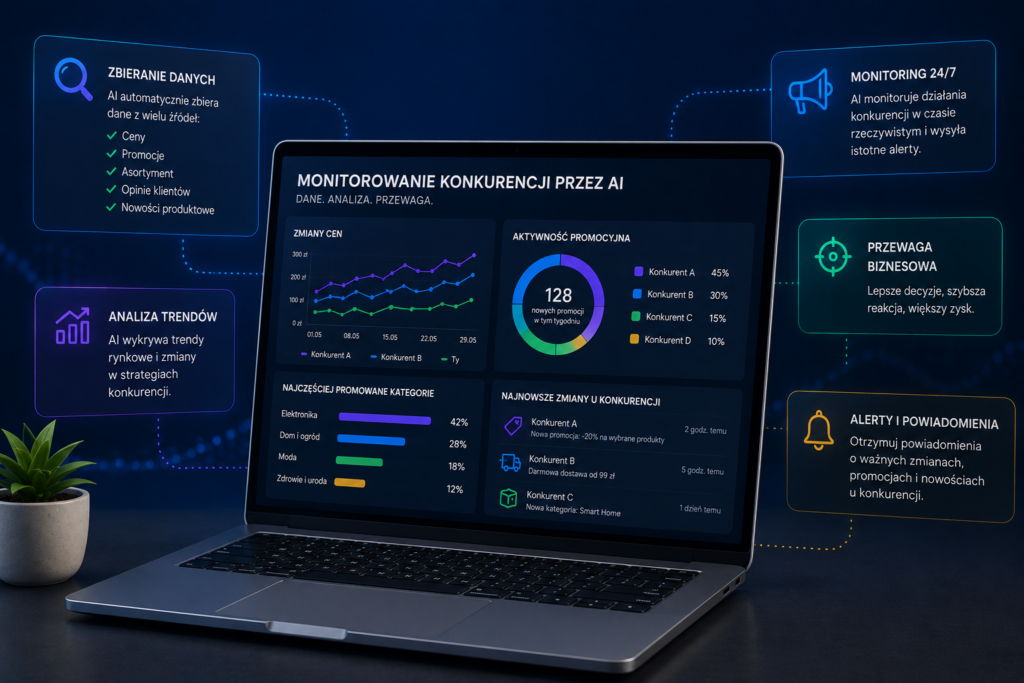
AI-Powered Competitor Monitoring — How Online Stores Analyze Prices, Promotions, and Market Trends
Client Needs Analysis in an Online Store Project

How to Choose a PrestaShop Agency That Actually Helps Your Store Grow
B2B vs B2C in eCommerce: Key Differences and When to Choose Multistore

Why work with a PrestaShop agency when building an online store?

The right implementation of a Prestashop store - 4 steps

The cost of implementing a store on Prestashop - the prices of certain implementations